
Paying it Forward
As you’ll know, 2025 was our 25th anniversary year and our celebrations were designed to echo key parts of our mission – supporting MWDs, their handlers and families, past, present and future.
You’ll be familiar with many of our birthday initiatives, from sending special care packages; funding additional support for retired K-9s and even building a fence for one RMWD family.
The final chapter of our anniversary celebrations took place this January, focused on supporting both current and future war fighters. By bringing together some of the sharpest and most experienced minds in the K-9 world, we created a week of training, knowledge sharing, and mentorship – paying it forward to the dog teams who are answering the call and carrying out the mission to safeguard our freedoms.
Legacy
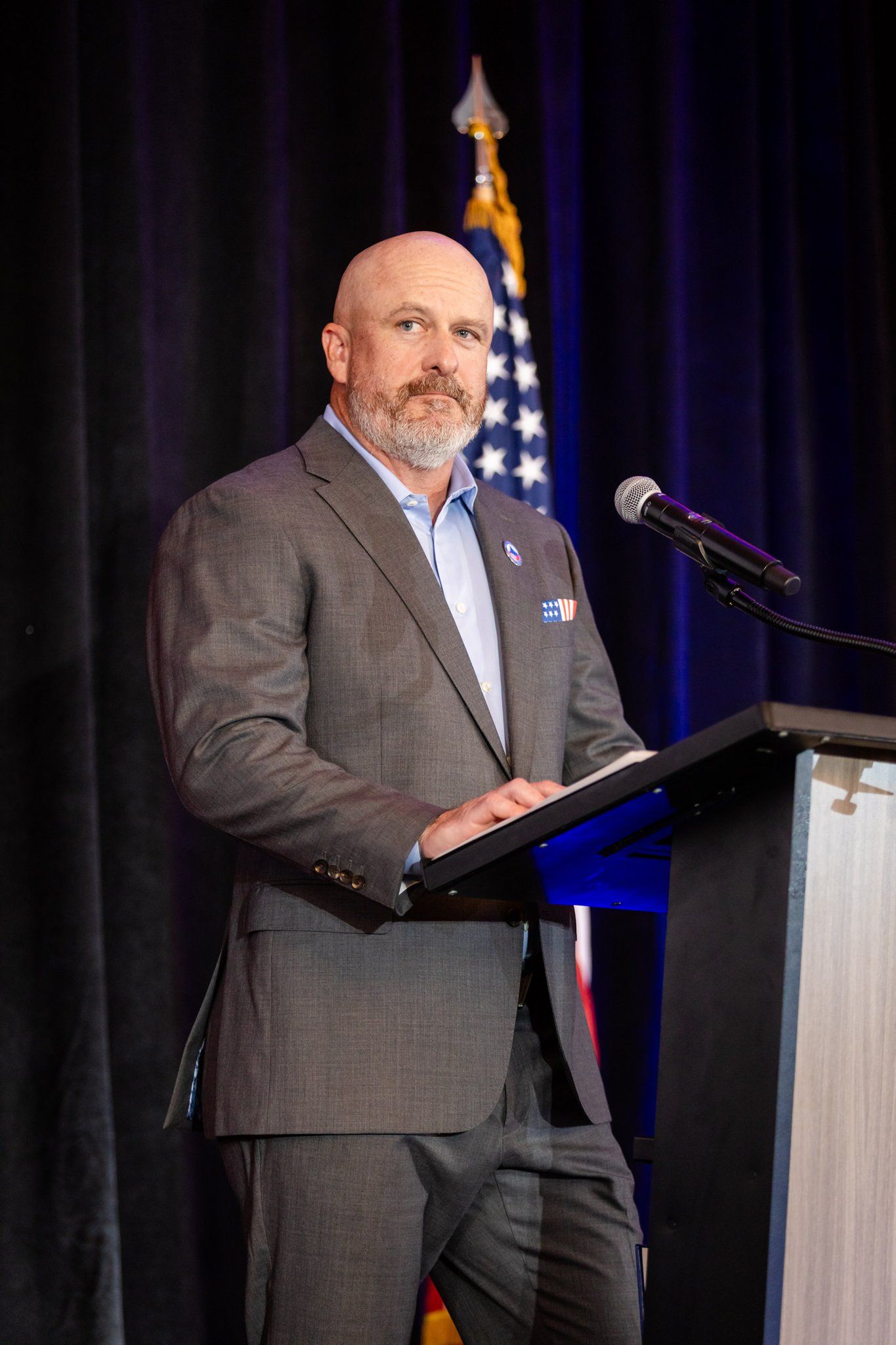
“This is our way of enhancing the legacy of our dog handlers,” explains US War Dogs President, Chris Willingham. “We brought together some of the most experienced trainers and subject matter experts to deliver a training evolution covering all mission-critical elements for our military’s dog teams.”
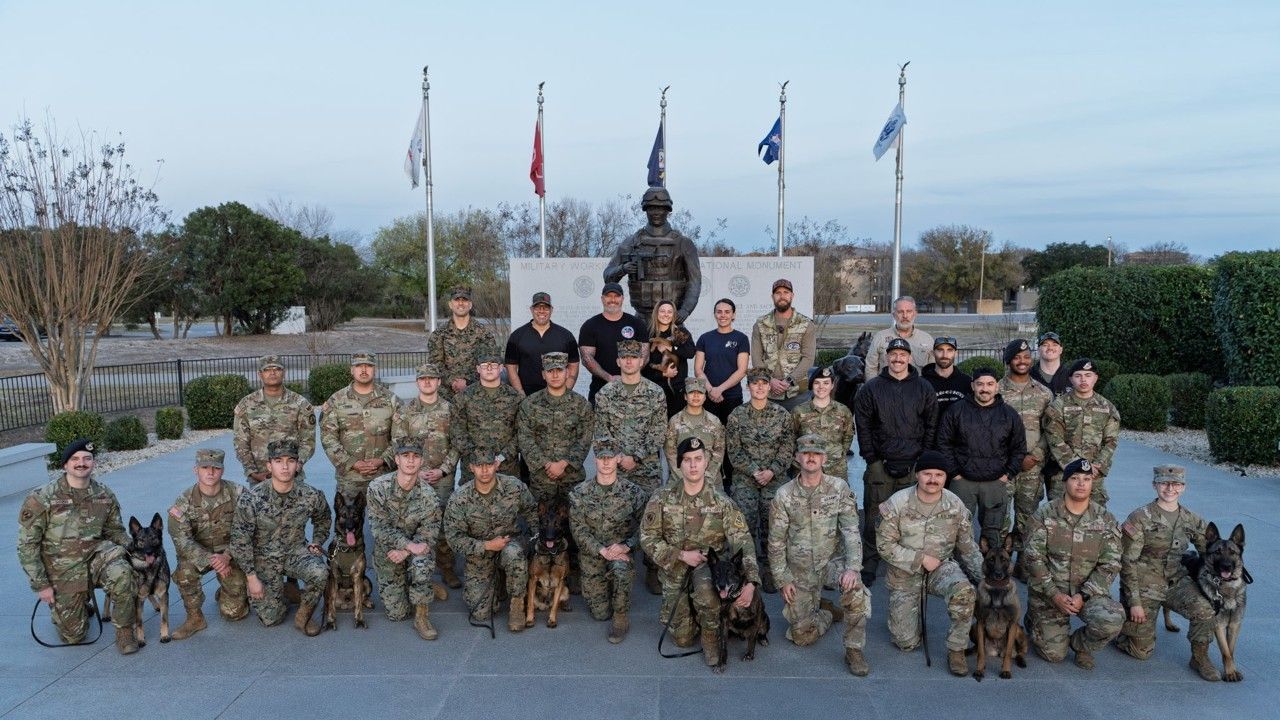
US War Dogs board members Chris Willingham and Aaron Stice were joined in San Antonio, Texas – home of the Department of Defense’s puppy and MWD training programs – by a distinguished group of K-9 experts.
Paul Bunker served in the British Army for 22 years before being invited by the US military to help establish the specialized search dog program. Since retiring, he has founded Chiron K9, providing access to his unrivalled expertise in detection across a variety of challenging environments.
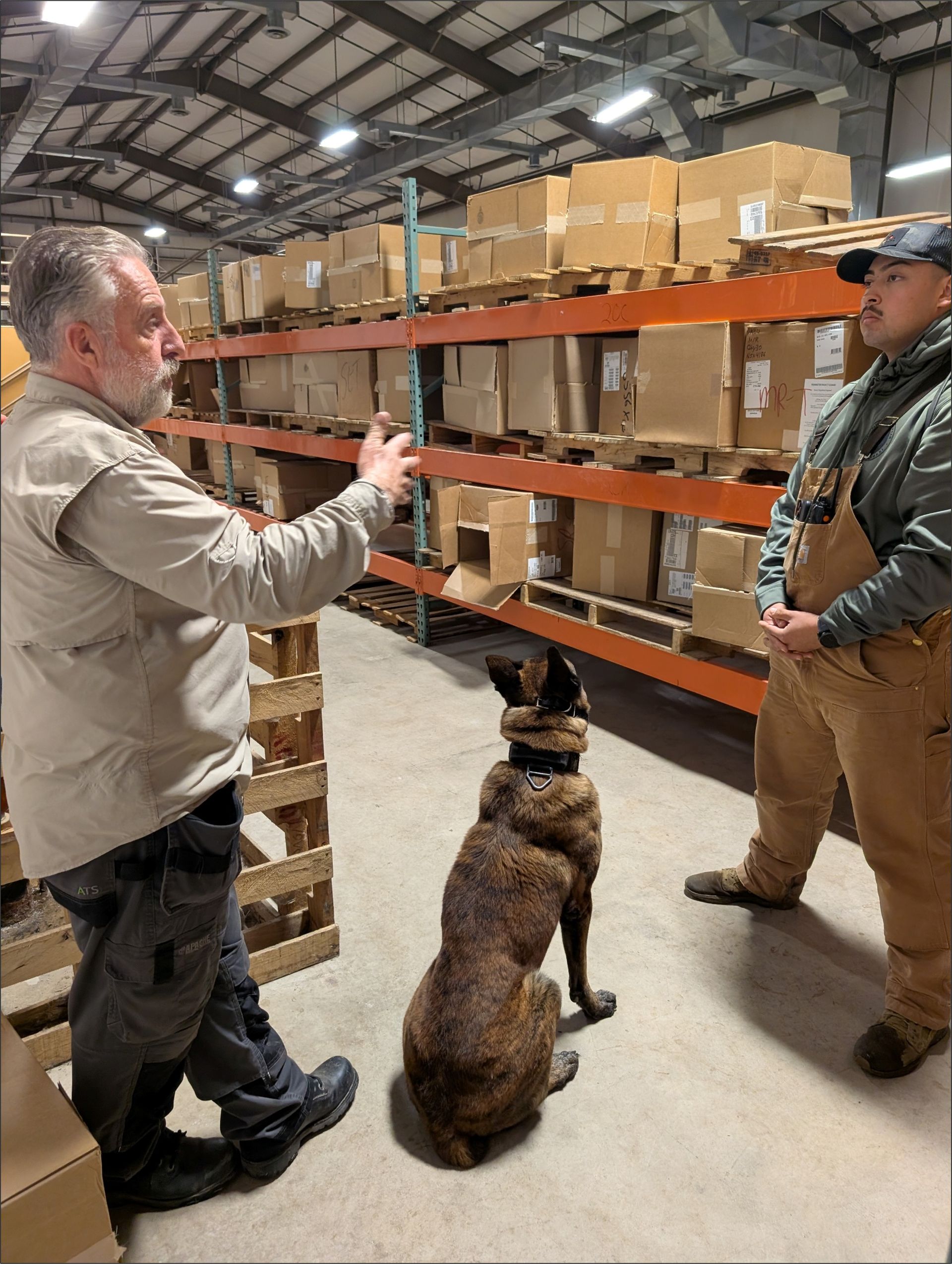
Antonio “ARod” Rodriguez has held nearly every key position within the K-9 field. A US Air Force handler, trainer, and combat veteran, he has also led programs for both the Air Force and US Army Special Operations Command. In 2018, he founded Old Republic of Canine (ORO-K9), delivering performance-based training and critical skills development for special operations, law enforcement, and military professionals.
K-9 trainer Jesi Knight brought her 20 years of dog training to the table for the dog teams. Jesi’s approach blends technical expertise with a passion for teaching, allowing her to develop both dogs and their handlers into top performing teams.
US Army veterinarian Dr. Emily Bingham, whose extensive experience spans multiple agencies, provided valuable veterinary insights to the dog teams throughout Legacy Week.
Reflecting on the training team, Chris said: “We were incredibly fortunate to assemble such a talented panel of K-9 experts. With their combined knowledge and real-world experience, we knew our dog teams were in for a truly exceptional week.”
Recruitment
We aimed to provide up to 25 dog teams with the opportunity to attend Legacy Week, so effective recruitment and information dissemination were essential.
“We wanted Legacy Week to be accessible to dog teams across all branches of service,” Chris explains. “In addition to using our social media channels, we contacted kennels and program managers directly to ensure as many units as possible were aware of the opportunity.”
We also reserved spaces for trainers and kennel masters to observe the training.
“Having trainers present allowed our experts to share valuable insights that could help resolve operational challenges and enhance mission readiness. This was an important element of Legacy Week, and we were fortunate to have four trainers attend.”
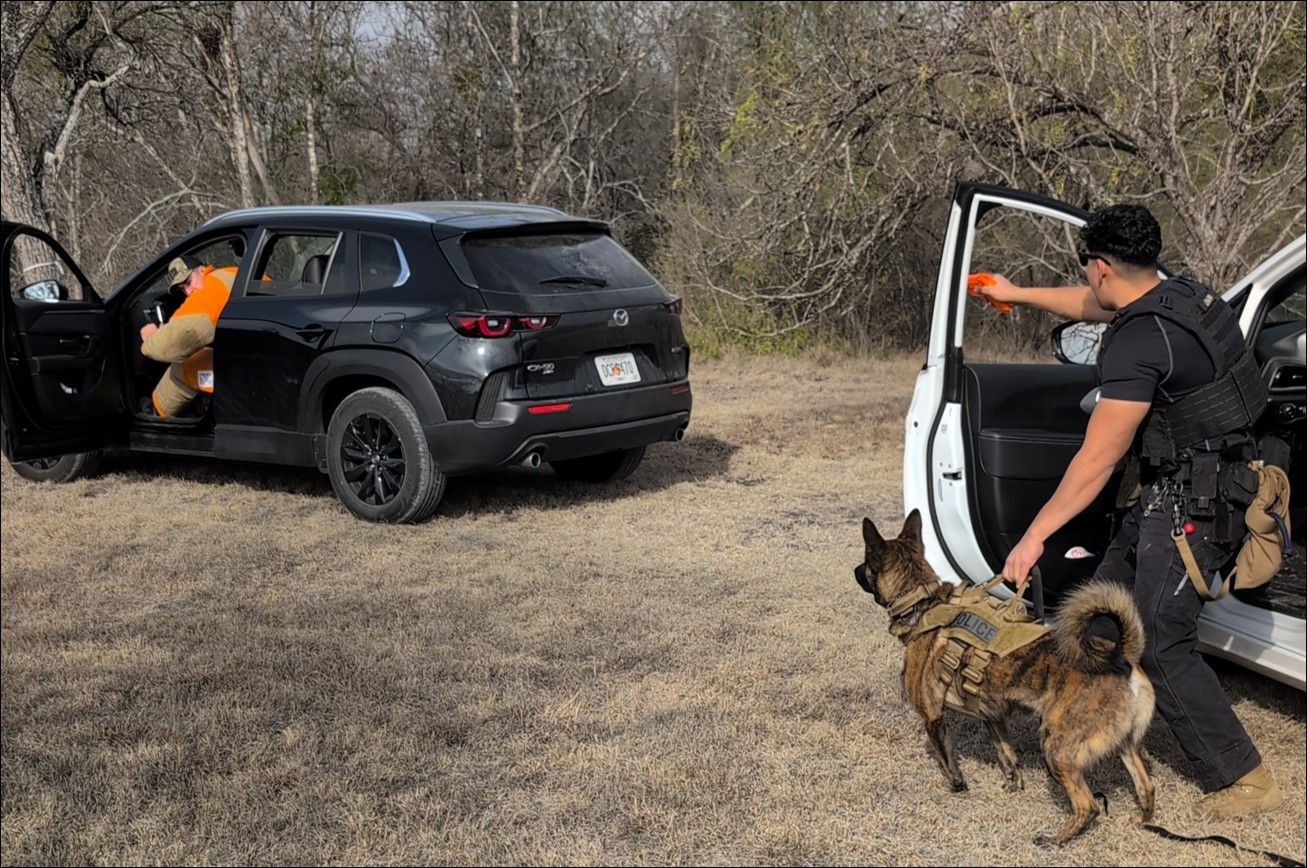
In total, 18 of the 25 available dog team spots were filled, with teams traveling from Army, Air Force, and Marine Corps bases across the country.
Training
Dog teams arrived in San Antonio ready to begin Legacy Week on Monday, 19 January, at Lackland Air Force Base – home of the 341st MWD Training Squadron.
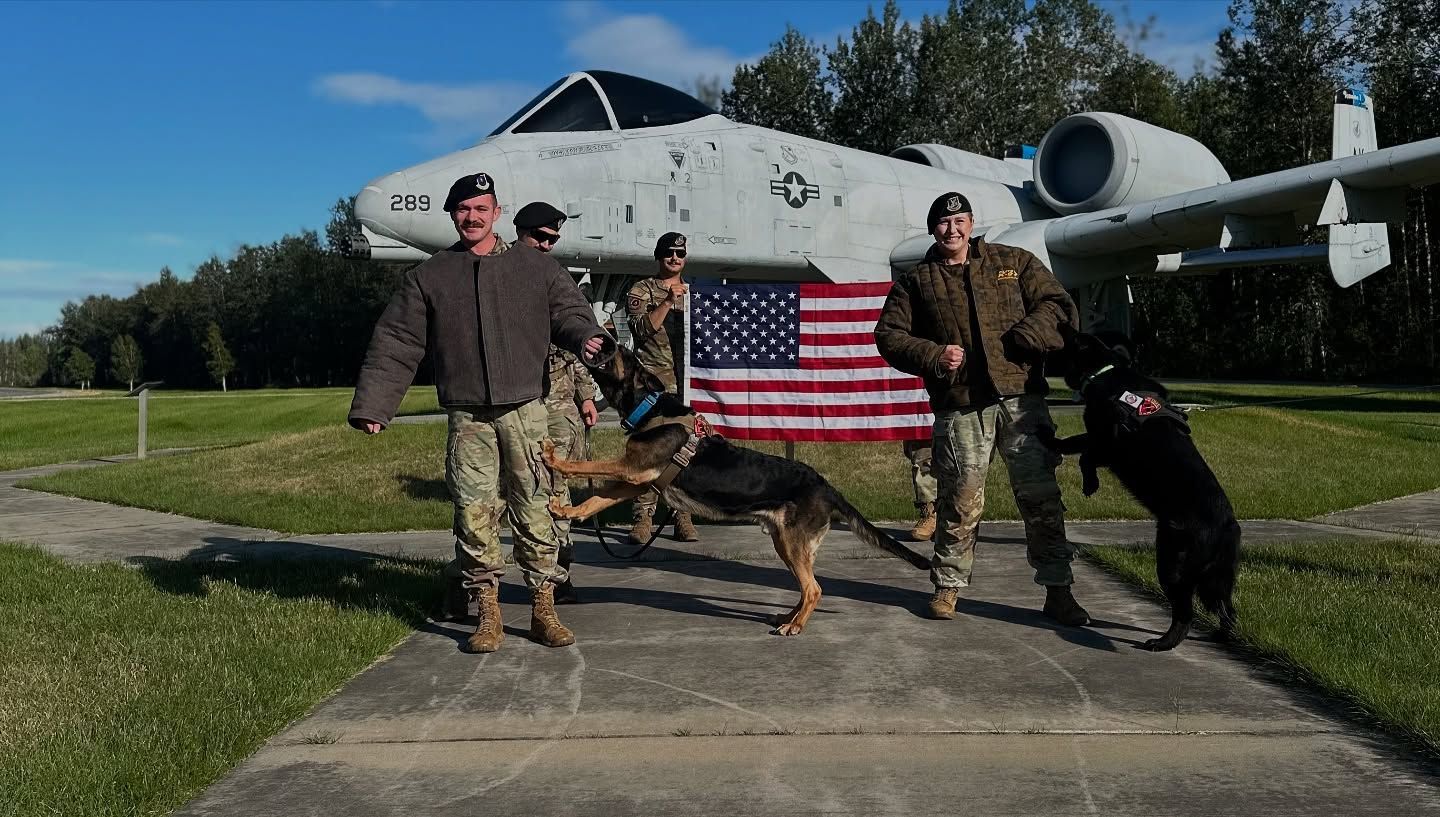
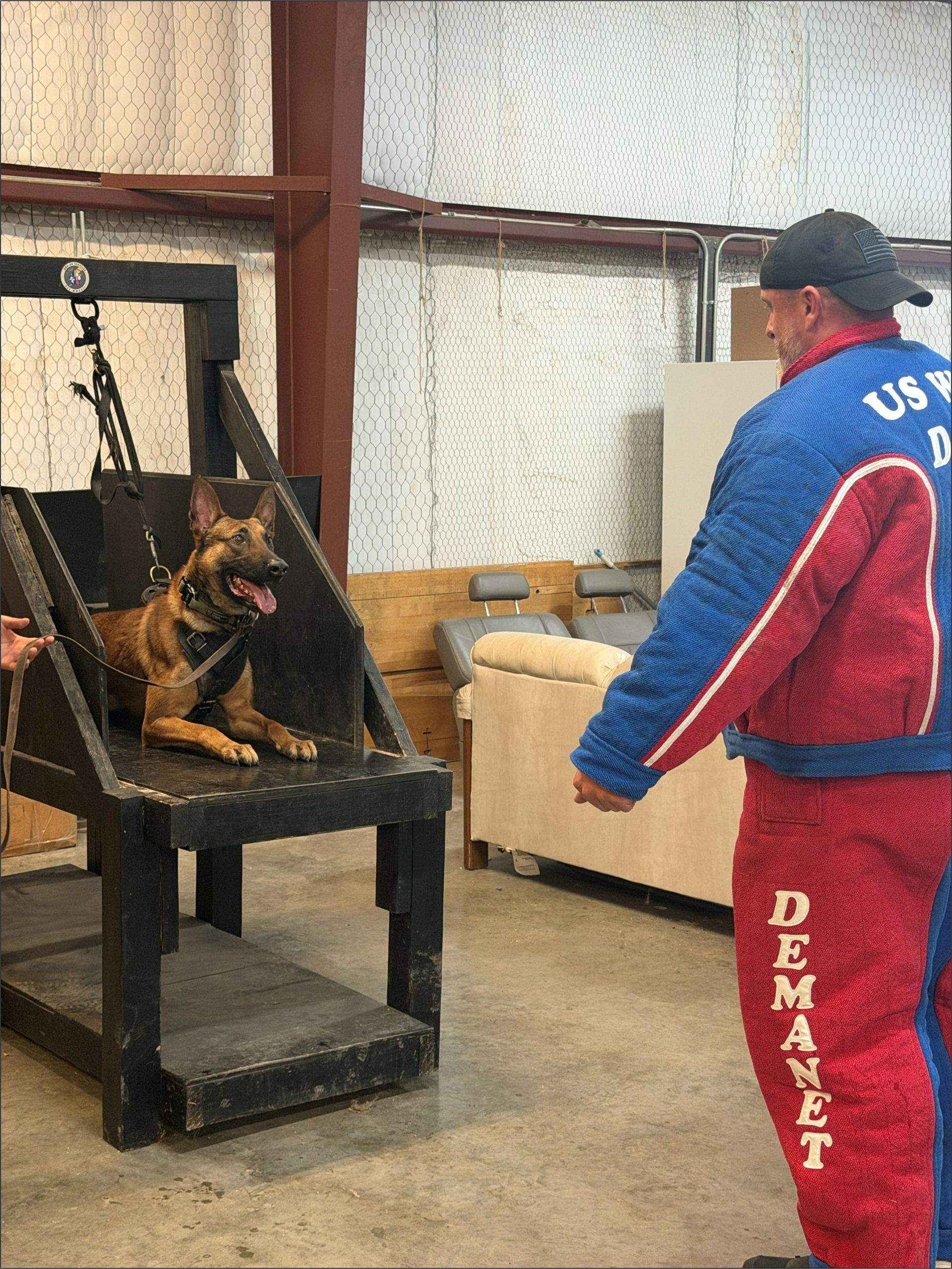
Following an initial briefing, teams were divided into groups and assigned to one of four training lanes: detection, apprehension, obedience, and emergency K-9 veterinary care.
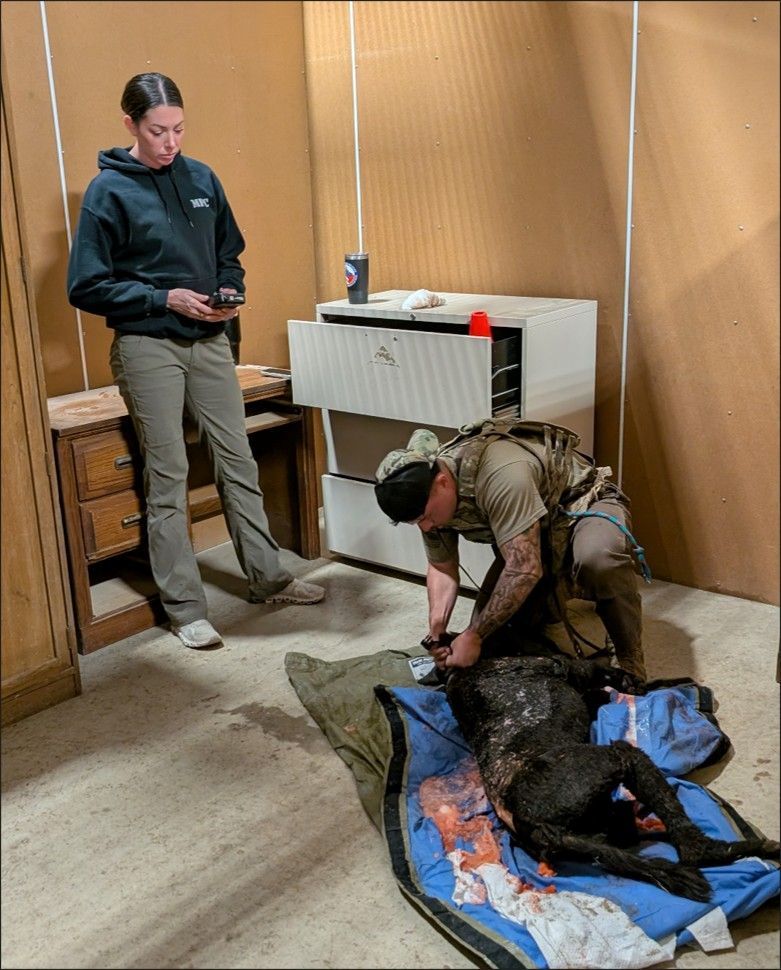
Chris explains: “We implemented a building-block training approach that enabled all 18 MWD teams to develop critical skills, refine their capabilities, and enhance their operational readiness.”
Each team was individually assessed, with tailored training and additional repetitions provided to ensure all objectives were met. The week culminated in a final competition that incorporated all aspects of the training. “As it was a competition, there could only be one winner, but without exception, every team left more capable and confident than when they arrived,” Chris added.
We commissioned a special US War Dogs winners’ belt to gift to the victorious dog team…
Feedback
Following the event, we gathered detailed feedback from participating handlers to evaluate the effectiveness of the training.
Handlers highlighted the smooth organization of the event and the relevance of the training content. “We received particularly positive feedback on the patrol-focused lanes and the noticeable growth in the dogs’ confidence throughout the week. That was exactly what we hoped to achieve,” Chris noted.
Handlers also reported clear takeaways from each training lane, demonstrating measurable improvements in their daily capabilities and overall readiness.
“One handler shared that they felt significantly more confident in their abilities after completing the course, with a deeper understanding of their K-9 partner. Reading feedback like that is incredibly rewarding for us as a training team.”
First of Many
Reflecting on Legacy Week – and the overwhelmingly positive feedback from both trainers and handlers – it is clear that this is only the beginning.
Chris said: “The week was a resounding success, made possible by our outstanding trainers and the unwavering support of the 341st Training Squadron. They provided exceptional facilities and support staff who made us feel truly welcome.”
“I am incredibly proud of what we achieved during Legacy Week and honored that the 341st played such a vital role in its success.”
Watch this highlight film from Legacy Week and see the K-9s, handlers, and trainers in action: